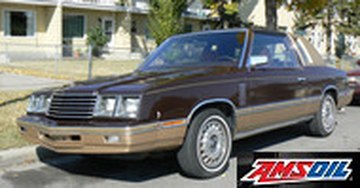
Engine Oil Maintenance for your 1983 Dodge 400
Maintaining the lubrication system is one of the most important aspects of long-term vehicle care. For a vehicle like the 1983 Dodge 400 with a 2.2L engine, using the correct oil helps ensure that internal components remain lubricated under various operating conditions. Proper maintenance involves not only selecting the right products but also understanding how to monitor and manage your engine's oil health over time.
What engine oil is listed for my 1983 Dodge 400 2.2L?
The following 10W-30 synthetic motor oils are listed for this vehicle: Signature Series 10W-30 Synthetic Motor Oil (ATMQT-EA), XL 10W-30 Synthetic Motor Oil (XLTQT-EA), and OE 10W-30 Synthetic Motor Oil (OETQT-EA).
Understanding Engine Oil Functions
Engine oil serves several critical roles within the internal combustion process. Primarily, it provides a thin film of lubrication between moving metal parts, such as pistons, crankshafts, and camshafts, to reduce friction and prevent premature wear. Beyond lubrication, oil also assists in cooling by carrying heat away from high-temperature areas of the engine and helps clean the interior surfaces by suspending contaminants like carbon deposits and microscopic debris.
When these functions are performed effectively, the engine operates more smoothly. If the oil becomes contaminated or loses its structural integrity, these protective qualities diminish, which can lead to increased friction and heat buildup within the engine block.
Monitoring Oil Levels Regularly
One of the simplest yet most effective maintenance tasks is checking the engine oil level using the dipstick. This should be done when the vehicle is parked on a level surface and the engine is cool or has been allowed to sit for several minutes after running. A low oil level can lead to insufficient lubrication, which may cause damage to internal components.
If you notice that the oil level is frequently dropping between service intervals, it may indicate an issue such as a leak or internal consumption. Regularly inspecting the dipstick allows you to catch these changes early. Always ensure that the area around the dipstick and the oil filler cap is clean to prevent dirt from entering the engine during inspection.
Identifying Potential Oil Contamination
The appearance and smell of your engine oil can provide useful information about the health of your engine. Fresh oil has a specific color and consistency, but as it ages, it will darken due to the accumulation of combustion byproducts and soot. While some darkening is normal, extreme discoloration or a change in texture can be a sign of trouble.
If the oil appears milky or has a frothy consistency, this could indicate that coolant is entering the lubrication system. Similarly, if the oil smells strongly of fuel, it may suggest that unburned gasoline is leaking past the piston rings. Observing these changes during your routine checks can help you identify mechanical issues before they escalate.
The Importance of Oil Filter Maintenance
Engine oil and the oil filter work together as a complete system. While the oil lubricates, the filter is responsible for capturing particulates that could otherwise circulate through the engine and cause abrasive wear. A clogged or restricted filter can impede the flow of oil to critical components, potentially triggering pressure warnings on the dashboard.
It is standard practice to replace the oil filter whenever the engine oil is changed. This ensures that the new oil is not immediately contaminated by the old debris trapped in the previous filter. Maintaining a clean filtration system is essential for maximizing the effectiveness of the lubrication process.
Following Manufacturer Maintenance Schedules
Every vehicle has specific requirements regarding how often maintenance tasks should be performed. For your 1983 Dodge 400, you should consult the owner's manual or the manufacturer's official maintenance schedule to determine the appropriate intervals for oil changes and filter replacements. These schedules are designed based on the mechanical requirements of the engine and provide a baseline for keeping the vehicle in good working order.
Adhering to these recommended intervals helps prevent the buildup of sludge and ensures that the chemical properties of the oil remain effective. While some drivers adjust their maintenance frequency based on specific driving habits, the manufacturer's guidelines serve as the primary authority for your vehicle's service needs.
BUYING ENGINE OIL
When you are ready to purchase lubrication for your vehicle, look for products that match the specifications required for your engine. For this application, ensure you are selecting a 10W-30 oil from the listed options, such as the Signature Series, XL, or OE synthetic motor oils. Always verify that the product packaging matches the requirements of your specific engine to ensure proper performance and protection.